
Imagine a compound that could help your body heal faster from injuries, reduce inflammation, or even ease gut problems—all without being a traditional drug. That’s the promise of BPC-157, a synthetic peptide that’s making waves in the health and wellness world. In 2025, a new transdermal gel version of BPC-157 has hit the scene, offering an easier way to use it without needles. But here’s the catch: it’s not approved for medical use, and it’s banned in sports. So, what’s the deal with Transdermal gel BPC-157? Is this gel worth the hype, or is it too risky? In this easy-to-read, SEO-optimized article, we’ll break down the science, the buzz, and the challenges surrounding BPC-157 in a way anyone can understand, backed by solid scientific sources.
I- What Exactly Is BPC-157?
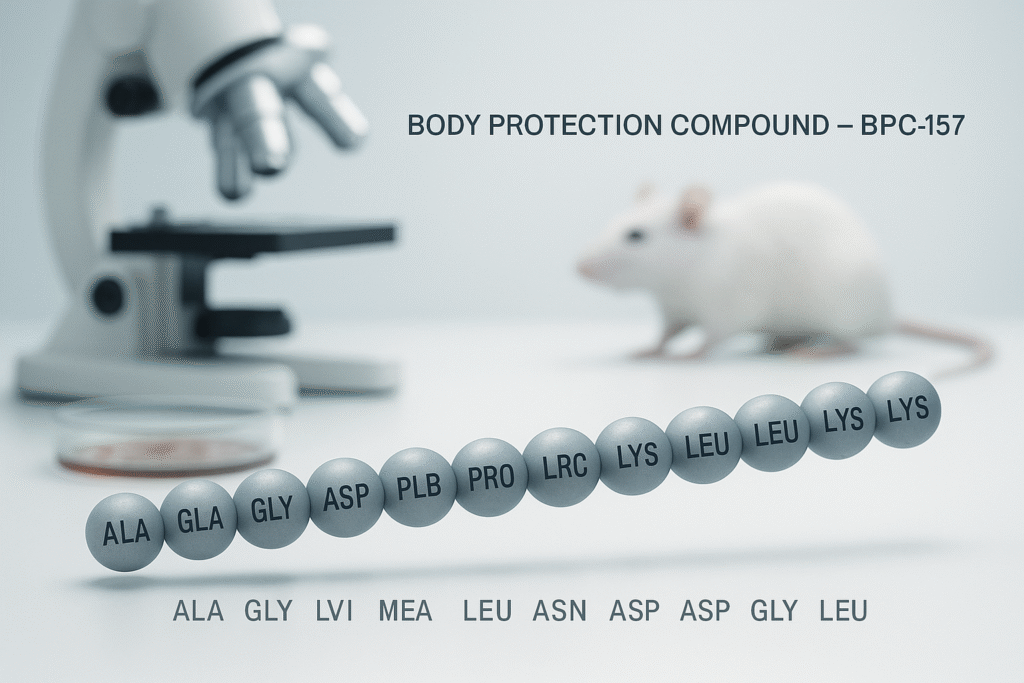
BPC-157, short for “Body Protection Compound,” is a tiny chain of 15 amino acids (think of them as building blocks for proteins) that comes from a protein in your stomach’s digestive juices. Scientists created it in a lab to mimic this natural protein, hoping it could help the body heal and protect itself. Studies on animals, like rats and mice, suggest it’s a bit of a superhero for repairing tissues (muscles, tendons, ligaments, evenbones), calming inflammation, and supporting gut health. Some research even hints it could help with brain health or stress-related issues like anxiety.
The best part? Animal studies show it’s pretty safe, with few side effects. A 2020 study in Regulatory Toxicology and Pharmacology tested BPC-157 on animals like mice and dogs and found no major toxicity, even at high doses. But here’s the problem: we don’t have enough studies on humans to say it’s 100% safe or effective for us. That’s why it’s still considered experimental.
II- Why Everyone’s Talking About the New BPC-157 Gel in 2025
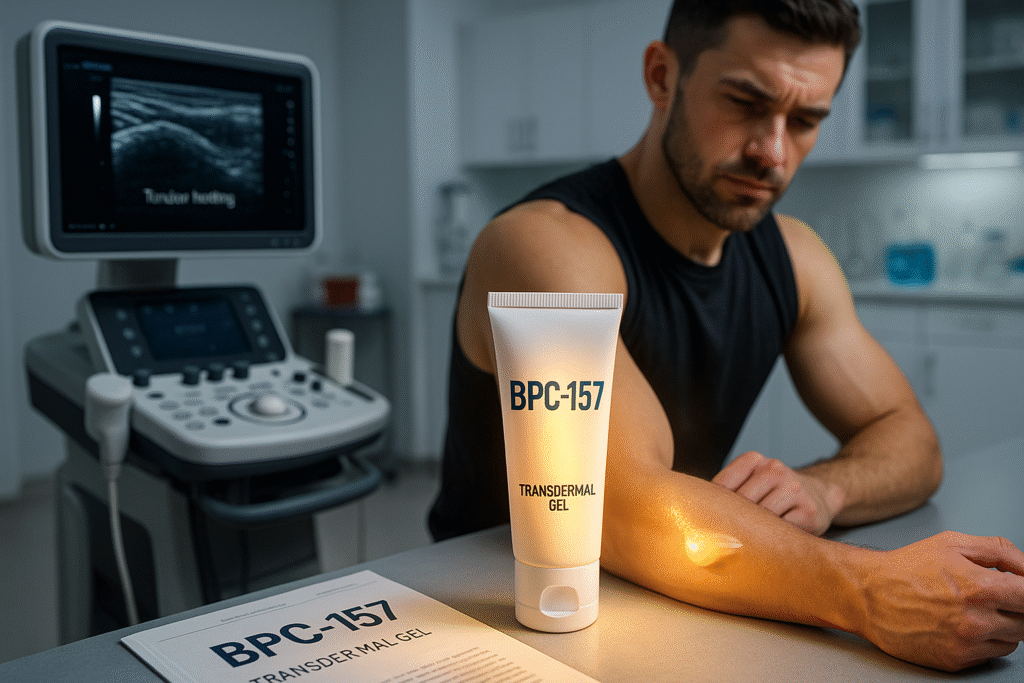
In May 2025, a company called Elite Research launched a BPC-157 transdermal gel, and it’s got people excited. Unlike injections, which can be a hassle (and let’s be honest, a bit scary for some), this gel lets you rub BPC-157 directly onto your skin—think of it like applying a lotion. Each pump delivers 500 micrograms of the peptide, targeting areas like sore joints, sprained ankles, or achy muscles. Social media posts on X rave about its convenience, with users saying it’s helped with things like tendinitis or workout injuries without needing a needle.
Why is this a big deal? Transdermal gel are easier to use, and they’re part of a growing trend in transdermal delivery—a fancy term for getting medicine through your skin. A 2024 article in the International Journal of Pharmaceutical Sciences explains that gels and patches are popular because they’re painless and release medicine slowly. But there’s a catch: getting peptides like BPC-157 to absorb properly through the skin is tricky, and we’re still learning how well this gel works compared to injections.
III- What Does Science Say About BPC-157?
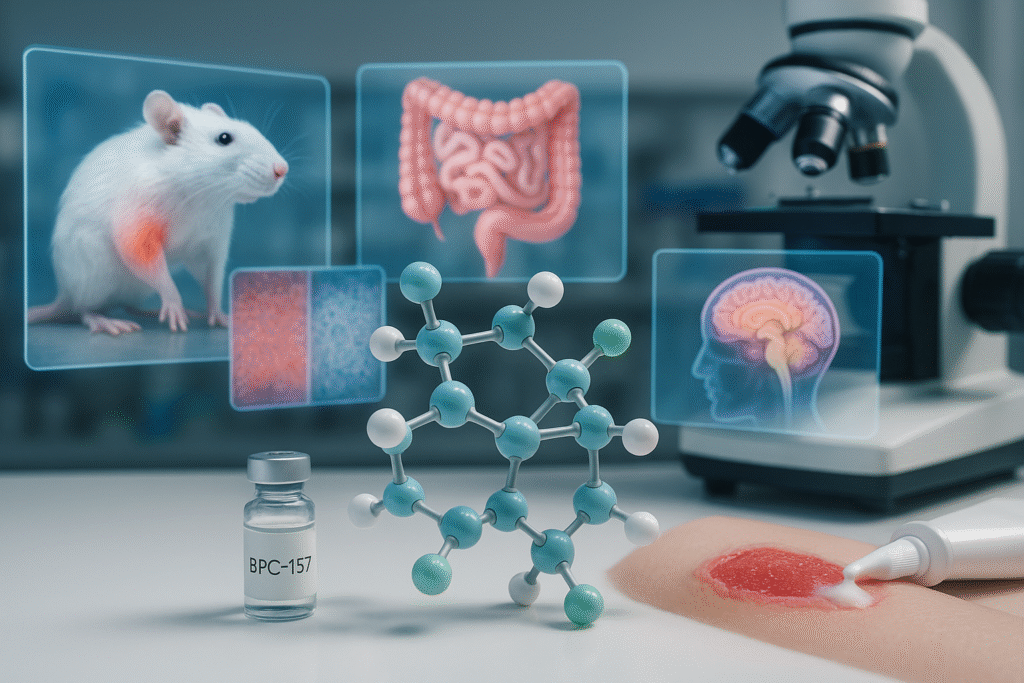
Let’s dive into what researchers have found about BPC-157 so far. Most studies are on animals, but they paint an impressive picture of what this peptide might do:
1. Supercharging Healing
Got a pulled muscle or a nagging tendon injury? BPC-157 might help. A 2011 study in the Journal of Applied Physiology showed it speeds up tendon repair in rats by helping cells move to the injury site and survive better under stress. Another study from 2019 in Cell and Tissue Research found it boosts healing in muscles, tendons, and ligaments, making it a hot topic for athletes and anyone recovering from injuries.
2. Taming Inflammation
Inflammation is the body’s response to injury, but too much of it can cause pain and swelling. BPC-157 seems to calm this down. A 2020 study in Regulatory Toxicology and Pharmacology showed it reduces inflammation in animal tissues, which could help with conditions like arthritis or even gut issues like inflammatory bowel disease.
3. Protecting Your Gut
Since BPC-157 comes from a stomach protein, it’s no surprise it’s great for gut health. A 2020 study in the World Journal of Gastrointestinal Pathophysiology found it protects the stomach, esophagus, and intestines from damage caused by things like painkillers or stress. It could be a game-changer for people with ulcers or conditions like Crohn’s disease.
4. Boosting Brain and Mood
Some studies suggest BPC-157 might help the brain, too. A 2010 study in Regulatory Peptides found it improved recovery in mice with brain injuries, hinting at benefits for neurological issues. There’s also early evidence it might ease symptoms of anxiety or depression by affecting brain chemicals, but we need more research to confirm this.
5. Healing Wounds and Burns
The new gel isn’t the first time BPC-157 has been used on the skin. A 2014 study in Burns showed that a BPC-157 cream helped mice heal burn wounds faster and even reduced stomach damage from burns. This makes the 2025 gel a natural next step for treating cuts, scrapes, or localized injuries.
IV- The Big Roadblocks: Why Isn’t BPC-157 Everywhere?
If BPC-157 sounds so amazing, why isn’t it in every doctor’s office? Here’s where things get complicated:
1. The FDA Says No (For Now)
The U.S. Food and Drug Administration (FDA) doesn’t approve BPC-157 for human use. In 2023, they flagged it as potentially risky, especially for injections, due to concerns about immune reactions (your body might see it as a foreign invader). This means you can’t get it prescribed legally, and it’s often sold as a “research chemical” with warnings like “Not for human use.” Check out the FDA’s 2023 statement for more details.
2. Global Rules Are Strict
It’s not just the U.S. In places like the UK, the Medicines and Healthcare products Regulatory Agency (MHRA) hasn’t approved BPC-157 for medical use, so it’s mostly used for research. This makes it hard to know if you’re getting a legit product or something sketchy.
3. Quality Concerns
Since BPC-157 isn’t regulated like a drug, you have to abe careful where you buy it. A 2024 article on Rupa Health warns that some online vendors sell low-quality or contaminated peptides, which could cause side effects or just not work. The new gel is exciting, but we don’t know yet how consistent its quality is.
V- The Big Debate: Is BPC-157 Worth It?

BPC-157 is like a double-edged sword. On one side, researchers and users on platforms like X are buzzing about its benefits. A 2025 review in Pharmaceuticals calls it a “multifunctional” peptide with huge potential for healing and calls for more human studies. Some clinics, like Active Life Pain Center, are even combining it with another peptide called TB-500 to supercharge recovery.
On the other side, regulators and some experts are skeptical. A 2024 article from Ortho and Wellness calls using BPC-157 for injuries risky, arguing there’s not enough human data to back it up. The WADA ban was briefly lifted in late 2024 after advocacy from scientists, but it’s still controversial, as a January 2025 article on RevivRX explains.
VI- What’s Next for BPC-157 Gel?
The 2025 transdermal gel could make BPC-157 more user-friendly, but it’s not a magic bullet yet. Scientists are working on better ways to get peptides through the skin, like using tiny needles or nanotechnology, according to the International Journal of Pharmaceutical Sciences. There’s also a clinical trial (NCT02637284) looking at BPC-157’s safety and how it works in the body, with updates expected in 2025. If these studies pan out, BPC-157 could one day be approved as a legit treatment.
VII- Tips for Anyone Thinking About BPC-157
Thinking about trying BPC-157? Here’s what you need to know:
- Talk to a Doctor: Since it’s not approved, you need a healthcare pro to guide you and avoid risks.
- Buy Smart: Stick to reputable sellers to avoid fake or unsafe products. Quality matters!
- Know the Rules: If you’re an athlete, BPC-157 could get you in trouble with WADA. For everyone else, check your country’s laws.
- Start Small: Users on X suggest 5-8 mg per week for injuries, but there’s no official dosage guide. The gel might make dosing easier, but follow instructions carefully.
VIII- Wrapping It Up: Is BPC-157 the Future of Healing?
In 2025, BPC-157 is generating serious buzz, especially with the new transdermal gel making it easier to use. From healing sore tendons to soothing gut issues, the science behind it is promising—animal studies show it can do some pretty amazing things. But with the FDA saying “not yet,” WADA banning it, and quality concerns lingering, it’s not a free pass to miracle healing. The transdermal gel is a step forward, but we need more human studies to know if it’s truly safe and effective.
For now, BPC-157 is like a shiny new toy in the health world: exciting, but handle with care. Stay informed, talk to a doctor, and keep an eye on new research as it comes out. The future of BPC-157 could be bright, but it’s got some hurdles to clear first.
Key Citations
- Xu, C., et al. (2020). Preclinical safety evaluation of body protective compound-157, a potential drug for treating various wounds. Regulatory Toxicology and Pharmacology, 114, 104665. https://doi.org/10.1016/j.yrtph.2020.104665
- Chang, C. H., et al. (2011). The promoting effect of pentadecapeptide BPC 157 on tendon healing involves tendon outgrowth, cell survival, and cell migration. Journal of Applied Physiology, 110(3), 774–780. https://doi.org/10.1152/japplphysiol.00945.2010
- Gwyer, D., et al. (2019). Gastric pentadecapeptide body protection compound BPC 157 and its role in accelerating musculoskeletal soft tissue healing. Cell and Tissue Research, 377(2), 153–159. https://doi.org/10.1007/s00441-019-03016-8
- Vukojevic, J., et al. (2020). Pentadecapeptide BPC 157 and the esophagocutaneous fistula healing therapy. World Journal of Gastrointestinal Pathophysiology, 11(6), 139–149. https://doi.org/10.4291/wjgp.v11.i6.139
- Sikiric, P., et al. (2010). Brain-gut axis and pentadecapeptide BPC 157: Theoretical and practical implications. Regulatory Peptides, 160(1–3), 1–9. https://doi.org/10.1016/j.regpep.2009.11.012
- Mikus, D., et al. (2014). Pentadecapeptide BPC 157 cream improves burn-wound healing and attenuates burn-gastric lesions in mice. Burns, 27(4), 619–627. https://doi.org/10.1016/s0305-4179(01)00055-9
- Józwiak, M., et al. (2025). Multifunctionality and Possible Medical Application of the BPC 157 Peptide—Literature and Patent Review. Pharmaceuticals, 18(2), 185. https://doi.org/10.3390/ph18020185
- Rupa Health. (2024). BPC 157: Science-Backed Uses, Benefits, Dosage, and Safety. https://www.rupahealth.com/post/bpc-157-science-backed-uses-benefits-dosage-and-safety
- International Journal of Pharmaceutical Sciences. (2024). Transdermal Patches: Advancements, Challenges And Future Perspectives. https://www.ijpsjournal.com
- FDA. (2023). Certain Bulk Drug Substances for Use in Compounding May Present Significant Safety Risks. https://www.fda.gov/drugs/human-drug-compounding/certain-bulk-drug-substances-use-compounding-may-present-significant-safety-risks
- USADA. (2025). BPC-157: Experimental Peptide Creates Risk for Athletes. https://www.usada.org/spirit-of-sport/bpc-157-peptide-prohibited
- RevivRX. (2025). BPC-157: From Ban to Resurgence — The Science, Controversy, and Its Bright Future. https://revivrx.com
- Ortho and Wellness. (2024). BPC-157 Risks for Musculoskeletal Injuries | Peptide Dangers. https://www.orthoandwellness.com/blog/the-dangers-of-using-bpc-157-as-a-prescribed-peptide-for-musculoskeletal-injuries
Disclaimer: Always consult a healthcare professional before using BPC-157, as it’s not approved for human use and carries legal and health risks.
expliquer les effets secondaires
autres peptides similaires
plus d’exemples concrets